Latest from BCA Research

Bond market volatility will spike again in the near term. The Fed is committed to an easing cycle yet the Trump administration’s signature fiscal policy action will stimulate the economy. Tariffs are supposed to keep the budget deficit contained but they are inflationary.
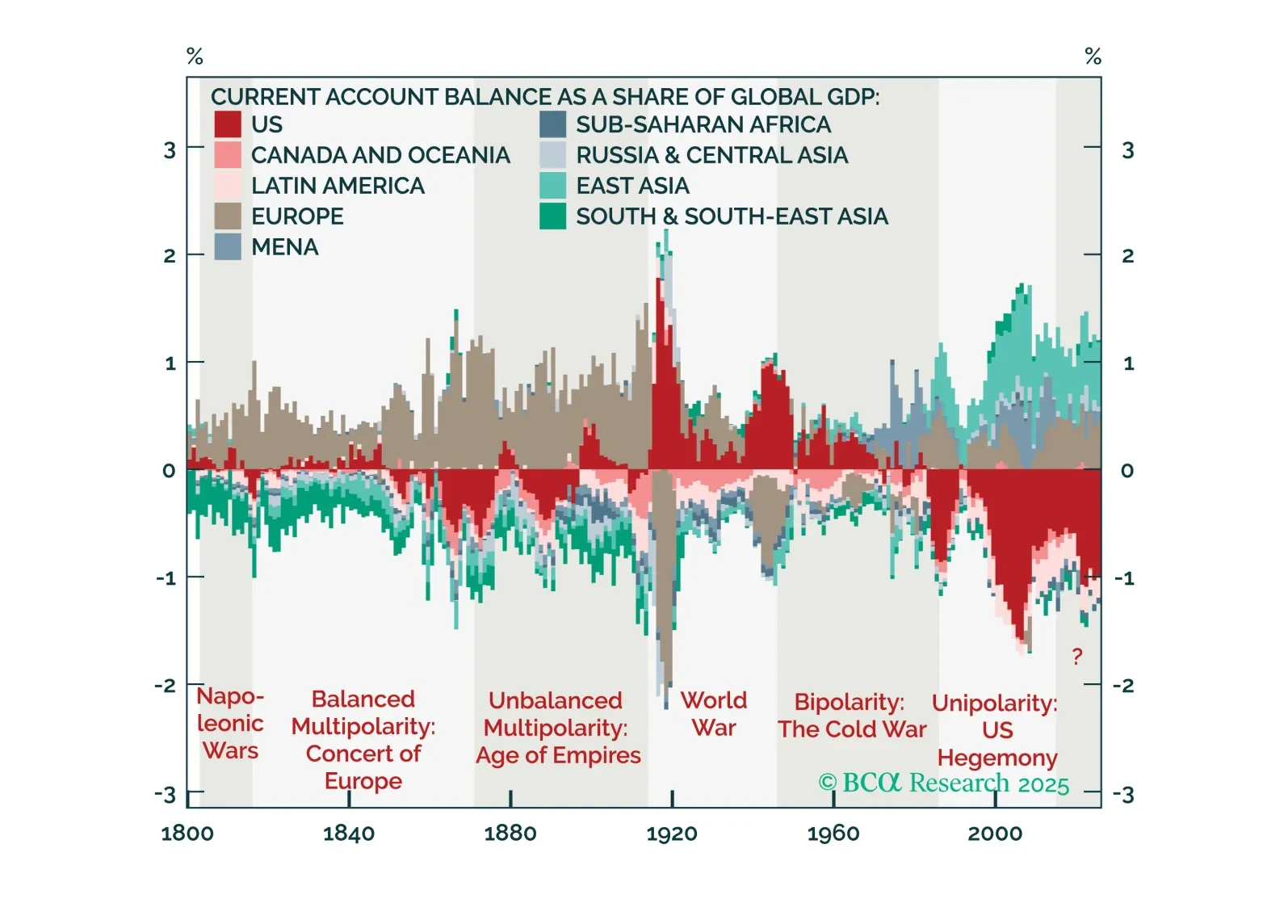
This month, we flip the order of our chartpack. We focus on the secular/long-term first. Both because we think that we have something profound to say and because we believe that our tactical call has very little new value-add. We remain convinced, as we have been for over a year, that President Trump is not willing to upend decades of US trade policy.


Investors often rely on past relationships to predict future outcomes. This strategy is at risk now that several commodity correlations have broken down. We explore the causes and sustainability of the new commodity relationships.
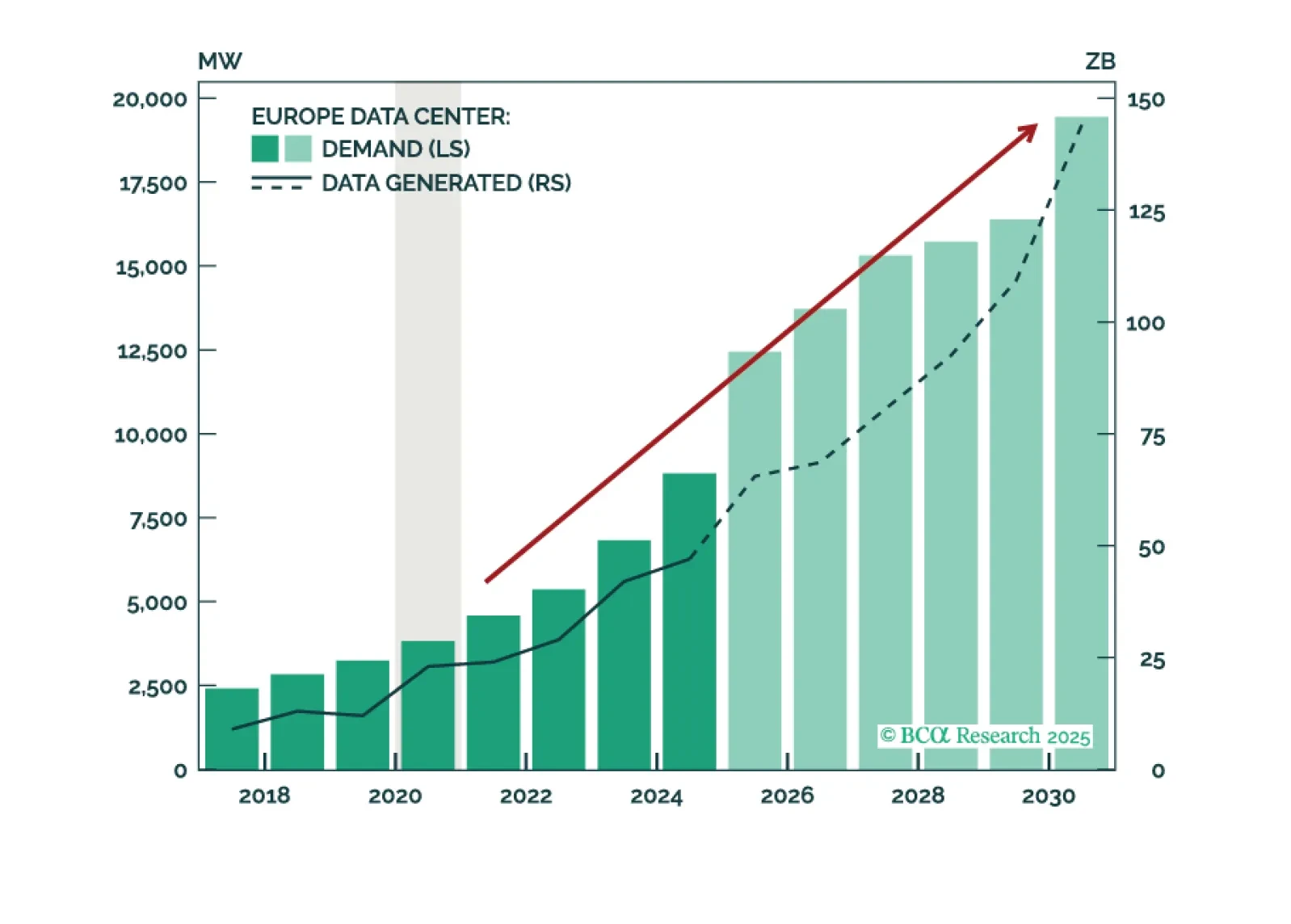
While the US is the pioneer, Europe will follow suit—more rapidly than expected. It is not a question of if GenAI will boom in Europe, but when. Europe’s Data Center growth is already strong today, but a US-style boom is just around the corner.


President Trump has activated the California national guard as protests envelop the city of Los Angeles for the third day in the row. This is the first time that the national guard has been activated by the federal government in Los Angeles since the 1992 riots. Our clients from Australia to Greece have inundated us with questions of how far the situation can go.

Several astute clients have asked us to comment on the recent extraordinary attack by Ukraine against Russia. The attack, which did not harm any Russian military personnel, occurred on June 1 and struck airfields across the vastness of Russia, as far as the Far East. According to Ukrainian officials, 41 military aircraft were successfully targeted. This information has not been verified by either Russian or Western officials.

The US economy has held up better so far this year than we had expected. For the time being, investors should remain modestly underweight equities. A more aggressive underweight would be justified only once the “whites of the recession’s eyes” are visible.

For now, measures of labor market utilization (like the unemployment rate) are only gradually weakening. But we know from history that these trends have a habit of quickly accelerating in advance of recession.