Insights
Access expert research, timely insights, and exclusive webcasts to help you make confident, data-driven decisions.

Webcast Replay
Chief Strategists Matt Gertken and Roukaya Ibrahim and Jesse Kuri discussed:
- Presidents Trump and Xi Jinping agreed to expand their trade truce, as both face challenges, not least in the Strait of Hormuz.
- But China is not yet willing to apply pressure on Iran to enable shipping to resume in the strait. Only the US and Iran have the physical power necessary to resume shipping.
- Trump's attempt to negotiate a quick deal with Iran has not borne fruit, though negotiations are not yet dead.
- Faltering diplomacy implies a new round of hostilities over the coming days and weeks.
- Hormuz is likely to remain shut and attacks will likely increase over the coming month.
- In late June the world will start to hit constraints from physical oil inventory drawdowns.
- The global economy will increasingly see demand destruction as a result of elevated commodity prices.
- Global financial markets are increasingly disconnected from the underlying threat to the economy.

Webcast Replay
Jeremie and Robert discussed:
- Has the energy shock caused irreversible damage to the European economy?
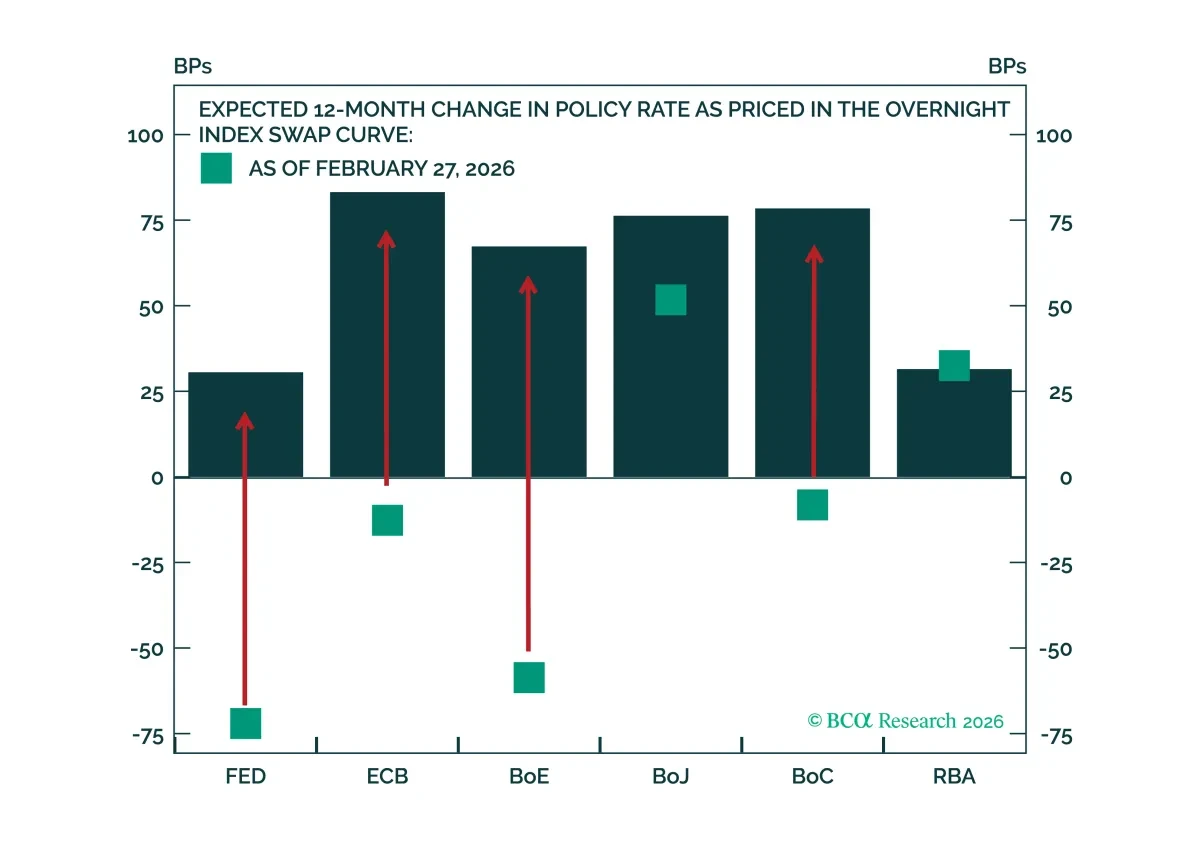
- Central banks so far refrained from hiking. Will they continue to stay put?
- How is the energy shock affecting Europe relative to the US? What are the equity, fixed income, and currency implications?

Webcast Replay
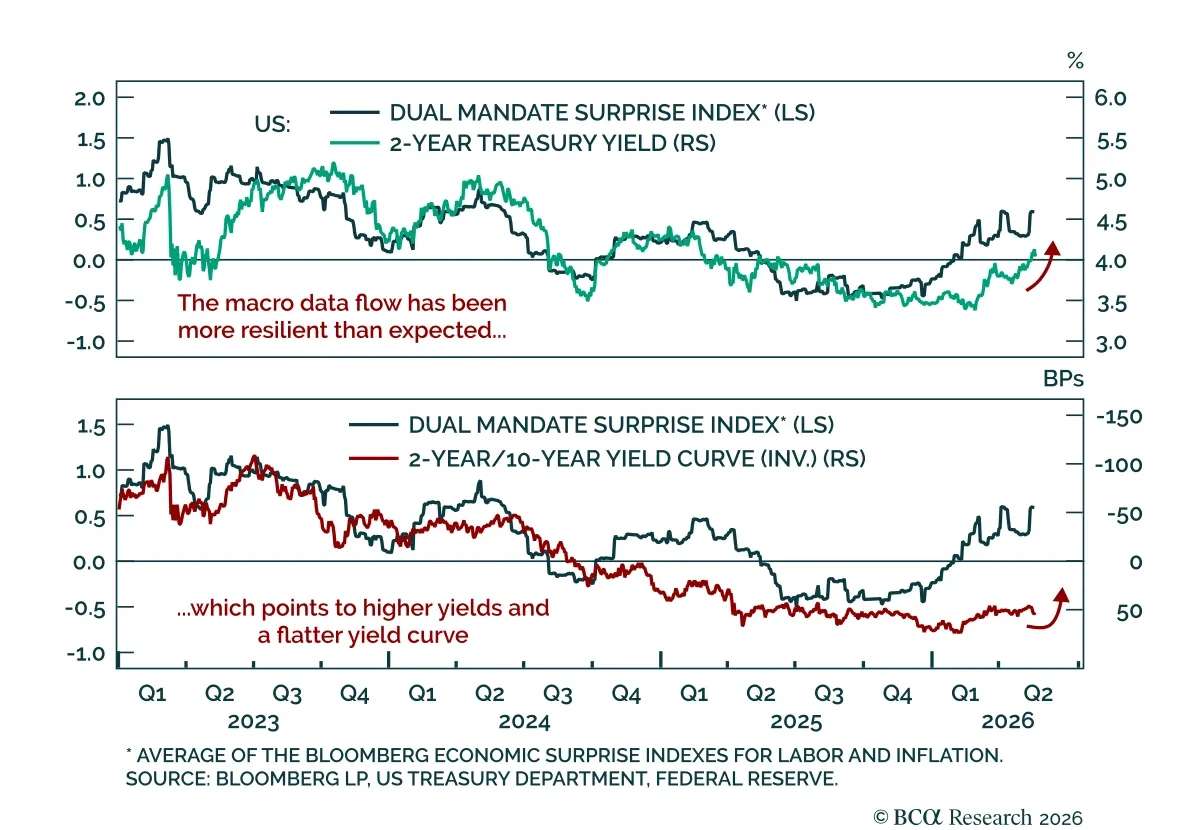
In this webcast Ryan discussed the outlook for US inflation and consider whether rising consumer prices will force the Fed to hike rates in the coming months. The Webcast addressed the following questions:
- Will the oil price shock have only a temporary impact on US inflation, or will it send consumer prices sustainably higher?
- Is the US labor market heating up or cooling off?
- What economic scenarios would push the Fed toward rate hikes or rate cuts?
- Which US fixed income sectors stand to profit from an extended period of on-hold Fed policy?